there were a few different brands and models out there, and with that, came an implicit pecking order:
the TI-8x calculators were unquestionably great. I spent months grinding my parents into buying a jet black TI-85 (of which i paid half), so i could have the extra memory, link port, TI-BASIC, and a lowercase alphabet bitfont. us ti-85 owners fancied ourselves the tremere clan of the kindred. i learned how to program on it for the next year, instead of learning polynomials
the less discerning kids ended up with the TI-81 - no link port, scant RAM, and no lowercase font. clanless thin-bloods!
at the absolute bottom of the slush pile were the Casio kids. while the FX-7700x machines had a kickass interface and built-in solvers, the teacher had no idea how to use them, and the casio kids were relegated to nosferatu status
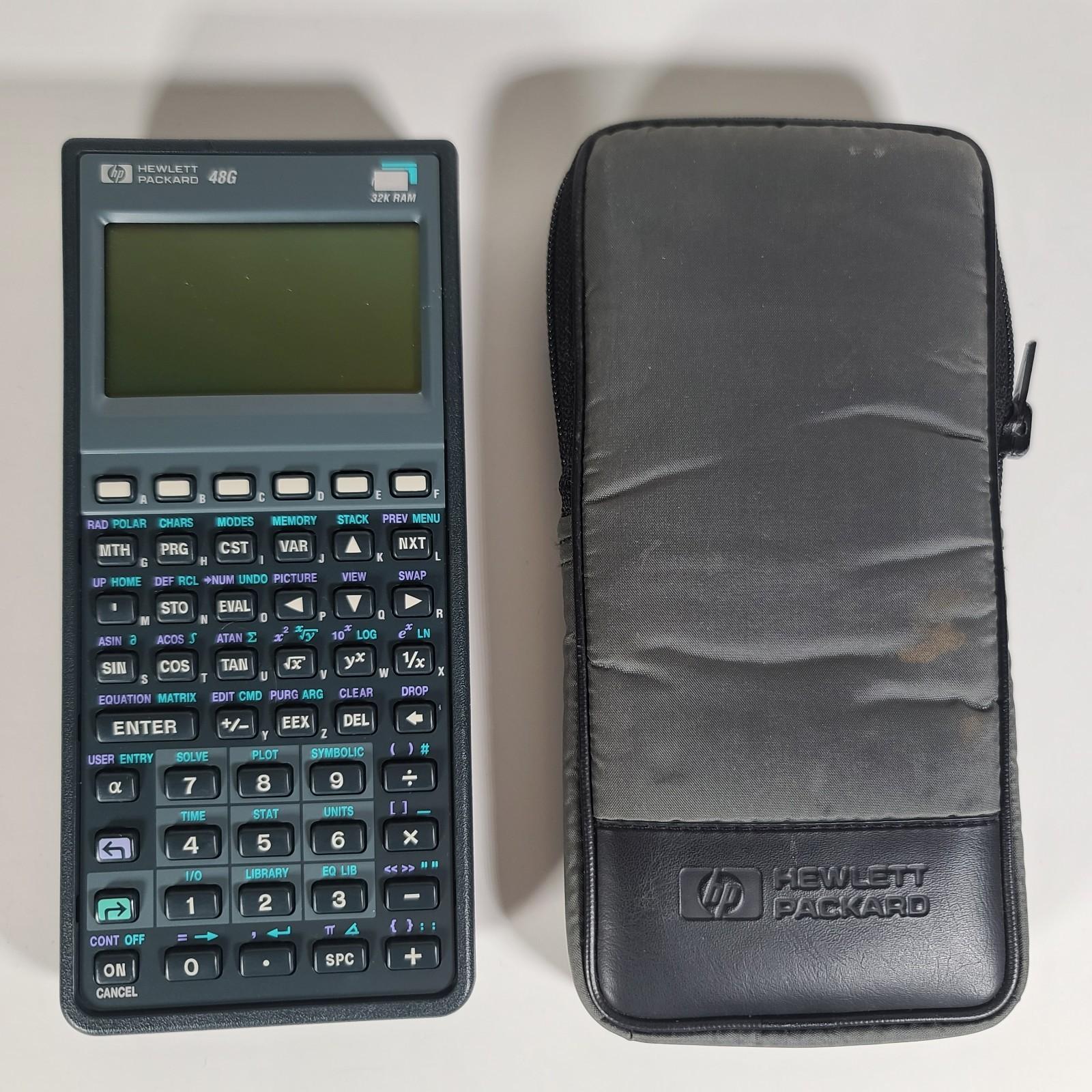
one day, out of nowhere, two kids showed up with Hewlett Packard 48G calcs. the case designs were slick, had fonts of different sizes, used crazy reverse polish notation, and did infrared calc-to-calc file transfers. they were incredibly powerful and fast. i was instantly jealous.
but they were also incredibly expensive - $250+ at the time. i gritted my teeth and lived with my inferior TI-85 for the rest of my high school years.
today i found out that the HP 48G calculators had their own stack-based programming language based on LISP called RPL, and could even assemble native ASM code (with a miniassembler installed) written in-calculator.
https://en.wikipedia.org/wiki/HP_48_series#Programming
you don't need to tell me twice. i just ordered a cheap broken 48G that, hopefully, i'll be able to repair and turn into goofy programming machine :D
#1990s #calculators #programming #lisp