I am the operator of a machine that produces slop. Not low-effort AI content or anything like that, but real, physical slop.
My particular brand of slop comes in two forms: low quality electricians and low quality electrical work. The two are, of course, entirely related.
I didn't set out to arrive in this position but here I am, frustrated and ashamed. Nor do I enjoy any outsized profit from this arrangement; it is simply the greasy corner into which I have backslid from a starting point of good intentions, naive optimism, and a desire to improve myself and my position in life.
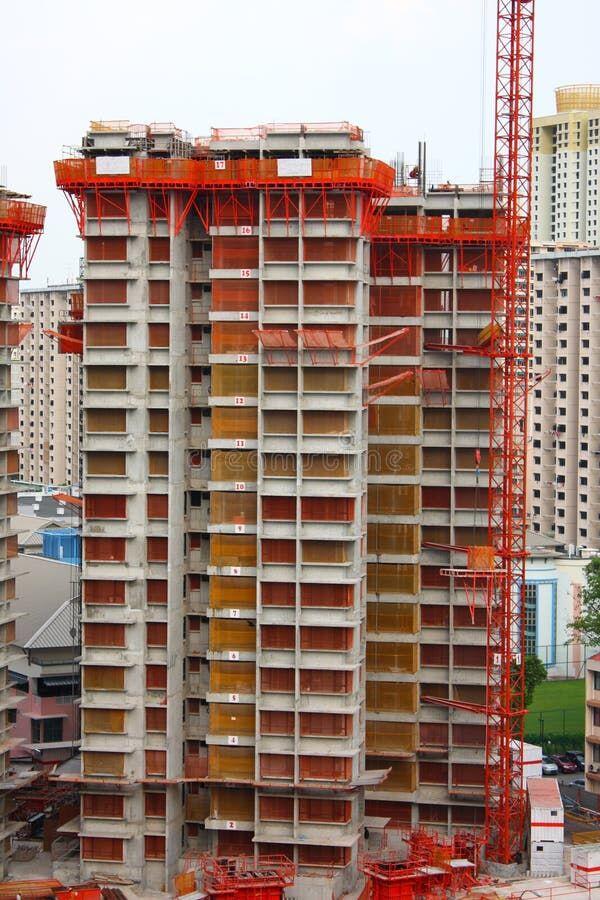
As I have written about previously in my article "The Fiatization of My Job," I accepted a promotion to foreman after just a couple of short years as a full-fledged journeyman electrician. I didn't seek it out, nor did I feel particularly ready for the type and scale of job that I was to be in charge of (100 unit low income housing project) but when it was offered to me I accepted, thinking that I could perhaps run things in a way that improved upon the rough, disorganized managment styles that I had previously laboured under.
Like a bright-eyed politician being read into the harsh realities of public office, I have now come to understand why things have often seemed so dysfuctional in my work. This is not to say that all trades work is like this, but is rather an admission that I may have sunk a great deal of time into a company that no longer shares my values, perhaps because, in the economic climate of this city, they are simply unable to if they wish to survive.
Our electrical slop machine works like this: while previously my company did a lot of commercial work, particularly in grocery stores (good work if you can get it) but also office towers, medical labs, and ice rinks, to name but a few, in recent years they have pivoted towards two particular types of residential work: low income, government subsidized housing, and senior facilities, both independent living and care homes. The work is uninspiring and repetitive and the budgets are tighter (more on that shortly, as it is perhaps unintuitive), but the upside is rock-solid job security. The future is in many ways uncertain but one thing is for sure: the coming years will produce many poor people, and many old people, and they will all need somewhere to live.
With the local housing market creaking under the stress of decades of overvaluation due to rampant land banking, coupled with a dearth of new buyers in the priced-out younger generation and an increasingly poor immigrant cohort, and commercial real estate being on increasingly shaky ground since the pandemic, I suspect that our move to these particular niches of residential work was a smart one, economically speaking, for the company. But I don't think it has been very good for the employees.
As I mentioned earlier, these types of projects tend to run on tight budgets (to be fair everything does in this fiat society, except perhaps the expense accounts of politicians, but relatively speaking). Now that might sound odd at first, particularly with regards to the low income housing: aren't taxpayer funded projects generally bloated, overpriced abominations, precisely because the people in charge of the project (the government) are not the same people paying for the project (the taxpayer)? Yes, but how that money is spent matters.
For example, although the project is at least partially funded by the public (it is subsidized, not fully owned and operated by the government), the people who actually build it are private contractors and are thus subject to bidding wars, in which multiple companies compete to see who can claim to do it the cheapest, then stick their hapless employees with the task of making that claim a reality. Thus, it is not the contractors (and certainly not their employees) who end up with the excess money that so characterizes publicly funded projects.
So where does the money go then? As in so many areas of business nowadays, it goes primarily to a bloated administrative class. Managers, consultants, planning committees, fees, red tape, superfluous engineers who could have been replaced with AI two years ago; it is astounding how much money can be spent on people and processes that either do little to advance the project, or actively hinder it.
Thus, I find myself in the position of leading a crew of mostly young, inexperienced apprentice electricians as we race against a ruthless schedule to produce generic slop apartments for poor people who will have their rent partially paid for by the more productive members of society. Given the constraints of time and the extreme apprentice-to-journeyman ratio (double the legal limit), there is little opportunity to develop and improve these kids, and so we are failing to give them the proper education that would mould them into competent, professional tradesmen.
As foreman, my directive is to produce quality work and develop quality workers. I am failing on both counts. I can justify these failings by blaming external factors, but at the end of the day the results are indisputable. Arguably, if the situation is so intractable then perhaps I have a higher duty to simply walk away and stop participating in it.
And that day will come, but not quite yet. This project is slated to complete in the spring of next year and I intend to see it through. People of integrity finish what they start, and that is what I aspire to be, but I can't bring myself to do this all over again. I don't believe in the worth of the project, and I don't wish to participate in this manic assembly line of slop production.
The machine will continue to churn long after I am gone, the slop extruding unabated, but I will no longer be responsible for its creation. I wish to once more do work that is noble and admirable, that I might stand straighter and prouder, and sleep more soundly at night.